





Congestion pricing toll gantries on the Williamsburg Bridge
Photograph by Dean Moses
Monday marks one yr for the reason that congestion pricing cameras turned on and commenced charging drivers a $9 base toll to enter Manhattan beneath sixtieth Road throughout peak hours.
Twelve months later, state officers are touting knowledge that exhibits this system is engaging in its aim of slicing car site visitors in Manhattan’s Central Enterprise District (CBD).
The MTA newly reported Monday that there have been 27 million, a mean of 11%, fewer automobiles getting into the CBD in congestion pricing’s first yr. That breaks all the way down to roughly 73,000 fewer automobiles a day.
MTA spokesperson Joana Flores confirmed the quantity, first reported by the New York Instances and Hell Gate, to New York News.
Gov. Kathy Hochul, who as soon as paused congestion pricing for a number of months in 2024 earlier than in the end agreeing to activate it, is ready to have fun its success throughout a Monday afternoon press convention alongside MTA Chair and CEO Janno Lieber and newly-minted Mayor Zohran Mamdani.
“It was a long journey, and there was a few bumps in the road,” Hochul stated of implementing congestion pricing. “But that has not taken us off track from everything we need to do in terms of those ambitious plans. So I’m really proud of.”
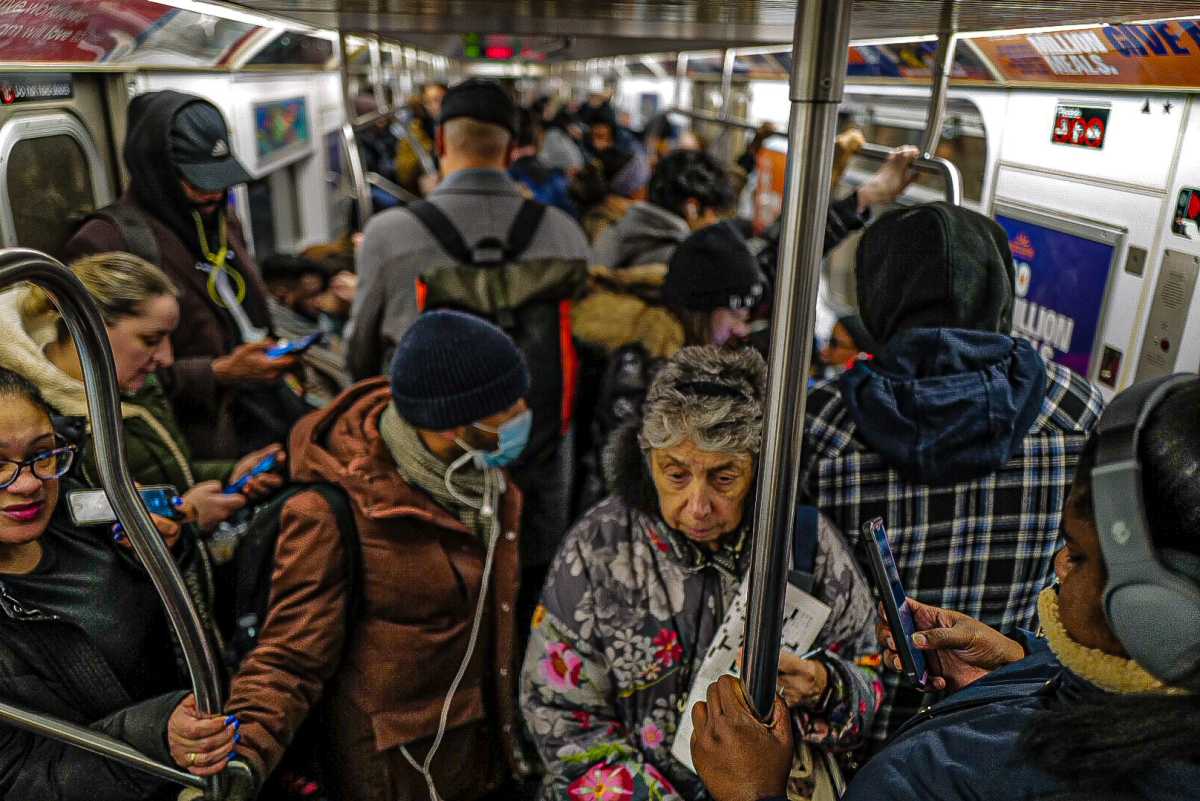 A crowded subway automobile within the congestion pricing period in February 2025.Photograph by Dean Moses
The governor’s workplace and the MTA trumpeted different metrics which, they stated, present that congestion pricing is working as meant.
These embrace 23% quicker car speeds on crossings into Manhattan, a 6.3% improve in gross sales tax income, and two occasions extra personal sector job progress vs. the nationwide common. Late final yr each additionally reported a 4.3% improve in automobile speeds, a 22% drop in air air pollution, and 23% much less noise complaints to town’s 311 hotline throughout the CBD.
Subway ridership, specifically, additionally grew throughout congestion pricing’s first yr; the MTA reported 1.3 billion journeys within the system in 2025, up roughly 7% from 2024, representing about 85% of the pre-pandemic ridership excessive.
State officers have additionally reported that congestion pricing is producing the a whole lot of thousands and thousands of {dollars} in income wanted for the MTA to safe $15 billion in bonds to fund a slew of capital enhancements throughout its getting older transit system. This system has introduced in over the $500 million that state officers had predicted it will over the previous yr.
The MTA board accepted $1.75 billion in contracts for a number of congestion pricing-funded tasks throughout its December board assembly. These embrace sign modernization on the A/C traces in Brooklyn and Queens and new elevator installations at 5 subway stations.
Opposition to congestion pricing continues, although blunted by knowledge
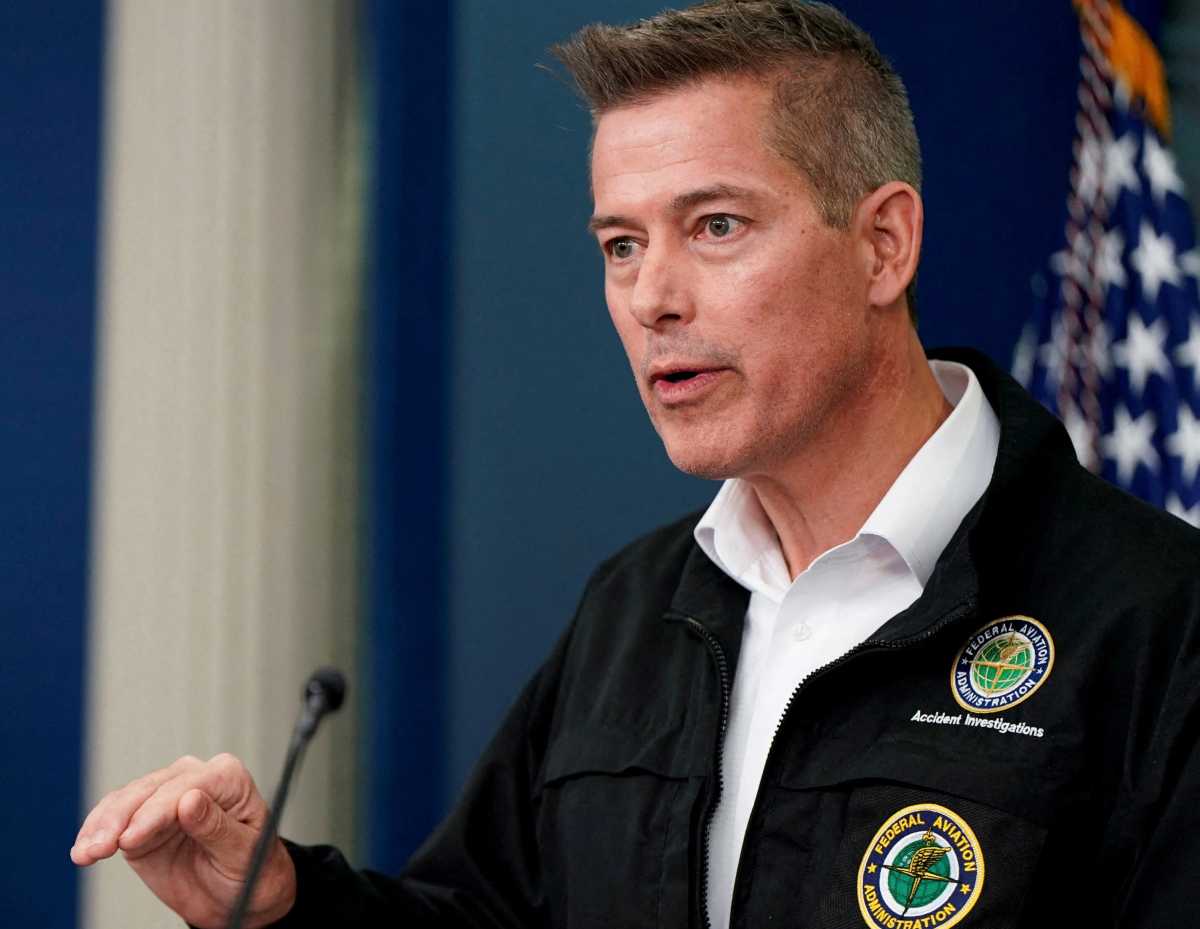 U.S. Transportation Secretary Sean Duffy has been an outspoken opponent of congestion pricing, and has ordered the state repeatedly to close this system down — to no avail.REUTERS
On the time that this system launched final yr, it confronted a barrage of backlash from President Trump’s incoming administration, native Republican lawmakers, and then-New Jersey Gov. Phil Murphy.
Trump’s Division of Transportation, led by former “The Real World” star Sean Duffy, has ordered the state to kill this system a number of occasions over the previous yr, to no avail. When Duffy initially despatched a letter to the state final February demanding it finish this system, the MTA sued in federal courtroom to dam the transfer.
Federal District Decide Lewis Liman will hear oral arguments within the pending case later this month.
Opponents of congestion pricing lengthy contended that the toll would discourage many from getting into Manhattan’s Central Enterprise District (CBD) altogether, devastating native companies and Broadway, whereas including one other burden on working-class New Yorkers already financially strapped by hovering prices.
Nonetheless, state officers consider they’ve deflated these arguments with knowledge exhibiting that congestion pricing has helped, somewhat than harm, the native financial system.
As an example, the NYC Financial Improvement Company (EDC) reported in November that there have been 16 million extra visits to the CBD than within the earlier yr. By way of final August, leisure journeys into the zone elevated by 2.8%, whereas work visits rose by 1.3%, in comparison with the earlier yr.
The transportation advocacy group, Transportation Options, lauded this system’s success in a Monday assertion.
“Today is a major milestone for New York City. One year ago, New York launched the first-in-the-nation congestion pricing program on Manhattan’s traffic-clogged streets,” stated Ben Furnas, the group’s government director.
“This bold plan had its naysayers, but they were all proven wrong,” he added. “A year later, congestion pricing has brought safer streets, cleaner air, faster buses, more foot traffic and business, quieter streets, and billions in funding for public transportation. What was once an audacious dream is now proof of concept that bold choices rooted in the examples of other global cities can be rewarded.”
