


The MediSys Clocktower positioned on Atlantic Ave. in Ozone Park
Picture by Anthony Medina
Meeting Member Jenifer Rajkumar solely shared with QNS that she is asserting “Revive Atlantic 2.0,” a brand new plan that hopes to revitalize Atlantic Aveune in south Queens by investing in native companies, beautifying sidewalks and reopening the Woodhaven Lengthy Island Railroad (LIRR) cease to usher in extra foot visitors.
Rajkumar shall be assembly with each Woodhaven group stakeholders and metropolis companies within the coming weeks to advocate that extra sources be devoted to “one of South Queens’ most important commercial corridors.”
“For too long, Atlantic Avenue has been overlooked while opportunity passed our community by,” Rajkumar mentioned. “Revive Atlantic 2.0 changes that. We are restoring transit access, empowering small businesses, beautifying our streets and filling this corridor with culture, energy and economic opportunity.”
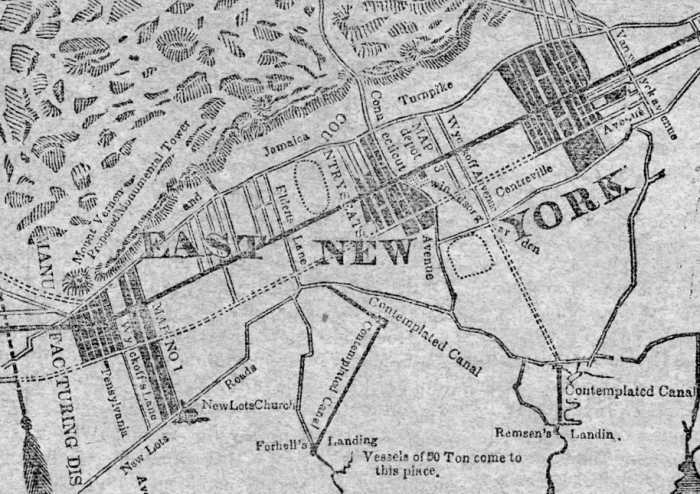 An 1835 map of East New York displaying the primary roads of Woodhaven – Atlantic Avenue, Jamaica Avenue and Woodhaven Boulevard.Picture courtesy of the Woodhaven Cultural and Historic Society
Atlantic Avenue is certainly one of south Queens’ busiest streets, and the portion in query connects between Eldert Lane to 111th Avenue. Rajkumar argues that the portion in Woodhaven, Richmond Hill and Ozone Park deserves comparable consideration and public funding because the stretch close to Brooklyn Bridge Park.
Rajkumar is already in talks with a number of metropolis companies to debate the plan, although has not formally approached the Mayor’s workplace. With Mayor Zohran Mamdani’s dedication to put in protected bike lanes in Astoria, amongst different initiatives targeted on public transit, beautification and walkability with Open Streets, Rajkumar acknowledged she’s hopeful to search out assist and appears ahead to working with the Metropolis within the close to future, because the partnership shall be “critical.”
For Revive Atlantic 2.0, Rajkumar is asking upon NYC Division of Transportation (NYC DOT) and the New York State Division of Transportation to commit capital {dollars} and design experience for “sidewalk reconstruction, pedestrian safety redesign, lighting upgrades and traffic-calming infrastructure,” in addition to NYC Parks and the New York State Division of Environmental Conservation (DEC) to increase tree cover, inexperienced infrastructure and hall beautification efforts.
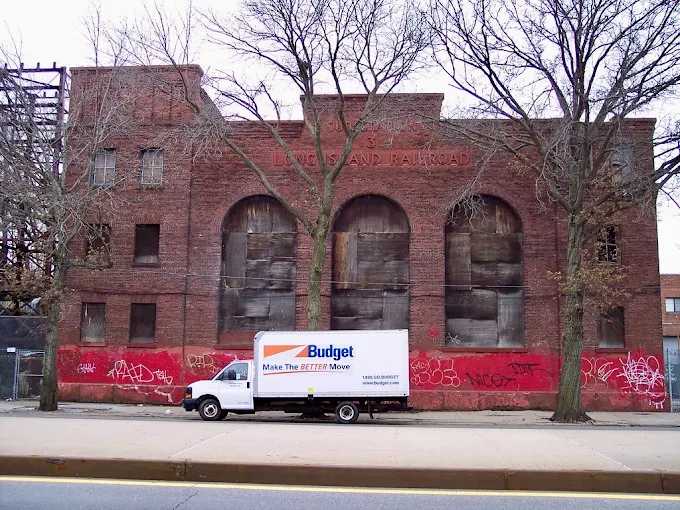 The Woodhaven LIRR station which closed down closed on Jan. 7, 1977 as a consequence of “vandalism and declining ridership”
The plan additionally requires the Division of Small Enterprise Providers (DSBS) and Empire State Improvement (ESD) to offer focused storefront enchancment grants, anti-vacancy incentives, and small enterprise incubator funding devoted to Atlantic Avenue. However the coronary heart of the plan lies within the transforming of the Woodhaven LIRR subway cease, which connects to the Q11, Q24 and QM15 buses, in addition to the proposed QueensLink line.
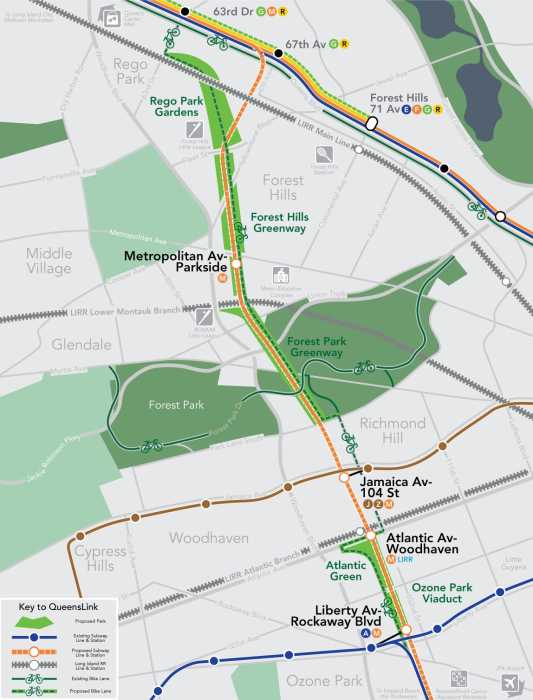 Courtesy of QueensLink.org
The QueensLink would prolong the M practice by including a number of extra stations headed southeast by using an current 3.5 mile rail line from Rego Park to Ozone Park. QueensLink additionally contains group gardens, outside studying house, expanded little leagues and a community of protected bike paths. The U.S. Division of of Transportation gave QueensLink, a nonprofit, a $500,000 grant to check transit wants in southeast Queens and the traces feasibility.
Rajkumar has been vocal in her assist of the QueensLink proposal and met with representatives of the nonprofit to debate the way it can join with the Atlantic Avenue revival and reinstatement of the Woodhaven LIRR cease, because the higher ranges would hook up with the M practice and underground portion reopened for the LIRR. A number of city halls have been held in each Richmond Hill and Woodhaven to debate QueensLink’s potential and the proposal has the assist of different elected officers within the space, together with Council Member Selvena Brooks-Powers, Assemblymember Khaleel Anderson and state Sen. James Sanders Jr., who signed a joint letter in assist in January 2025.
“QueensLink is worthy of careful study to judge its feasibility and potential to serve community members, and we urge the administration to not commence any construction that would potentially endanger this project’s viability,” the letter acknowledged.
Revive Atlantic 2.0 and QueensLink have similarities to the same avenue revitalization effort in Queens: Myrtle Avenue in Ridgewood. About 15 years in the past, then Myrtle Avenue BID Government Director Ted Renz spearheaded the hassle to transform the Myrtle/Wyckoff subway cease within the coronary heart of the neighborhood to usher in extra foot visitors. The $51 million undertaking introduced extra guests and enterprise to the neighborhood, and together with beautifying efforts, the realm remodeled from a hall of shuttered retailer fronts and shattered glass right into a vacation spot for each residents and different New Yorkers.
The plan for Atlantic Avenue contains different particulars, corresponding to commissioned murals and the institution of recurring meals festivals and night time markets. However for a full avenue revitalization, the group must be on board, which Rajkumar hopes to drum up with the storefront enchancment incentives, anti-vacancy methods, a “Shop Atlantic Avenue” marketing campaign, in addition to apprenticeships and summer time job alternatives tied to avenue beautification to get the youth concerned with their neighborhood.
“We are building an economic engine for south Queens and a model for revitalizing commercial corridors across New York City,” Rajkumar mentioned. “This is about unlocking opportunity and unleashing the economic power of South Queens. We are not asking for special treatment. We are demanding equal opportunity for our part of the city.”


